





Search Results for: Flat White vs Latte: differences

Australian White Coffee Taste and Mouthfeel | Flat White vs Latte: Which Tastes Better and Has a Stronger Coffee Flavor? Is There a Big Difference Between a Latte and an Aussie White?
Sometimes, just coffee and milk alone can be played with in endless variations, leaving outsiders utterly confused about the differences. Take latte and Flat White, for example—both are made by mixing espresso with milk, yet they offer two entirely different experiences. If [more…]

Flat White vs Latte Coffee Comparison | Why Is the Flat White So Popular? Why Is a Latte Larger Than a Flat White? What Are the Characteristics of the Flat White Method?
For more specialty coffee knowledge, please follow: Front Street Coffee (Frontsteet Coffee). Whether it's a large or small cup, with added water or milk, common coffee drinks like Americano, Latte, Flat White, Cappuccino... all use espresso as their base. Espresso is highly versatile, [more…]

Starbucks Flat White vs. Americano: A Taste and Bitterness Comparison, and an Analysis of the Core Differences Between Flat White and Cappuccino
On Starbucks' menu, Americano, Latte, and Flat White are all very familiar options to consumers, and among them, Flat White quickly became popular after being introduced in 2020. Many people are curious: which is more bitter, Flat White or Americano? And how is it different from Cappuccino? This article will, from the perspective of Front Street, introduce the definition, origin, and cultural background of Flat White, analyze its differences from Latte and Cappuccino in terms of espresso dosage and milk foam texture, and share the specific way Front Street stores make Flat White, including blend bean selection, the coffee-to-liquid ratio of ristretto, and extraction parameters, to help you understand this milk coffee more comprehensively. [more…]

How to make an Aussie White Coffee? Flat White vs Latte: What's the Difference, and a Taste Analysis of Luckin's Large Cup
Flat White has been appearing frequently on domestic café menus in recent years. Starbucks calls it "Fu Rui Bai," and there are also translations like "Ao Bai" and "Xiao Bai." This milk coffee, originating from Australia or New Zealand, is characterized by espresso with a small amount of hot milk, and is a product of the third wave of coffee pursuing flavor complexity. It differs noticeably from a latte in capacity and espresso extraction method; an authentic Flat White is only about 100ml and uses a Ristretto. This article uses Front Street Coffee's Sunflower Warm Sun blend as an example to explain the extraction parameters and flavor performance of Ristretto, and answers why Luckin's Flat White is a larger cup and whether it tastes good. [more…]
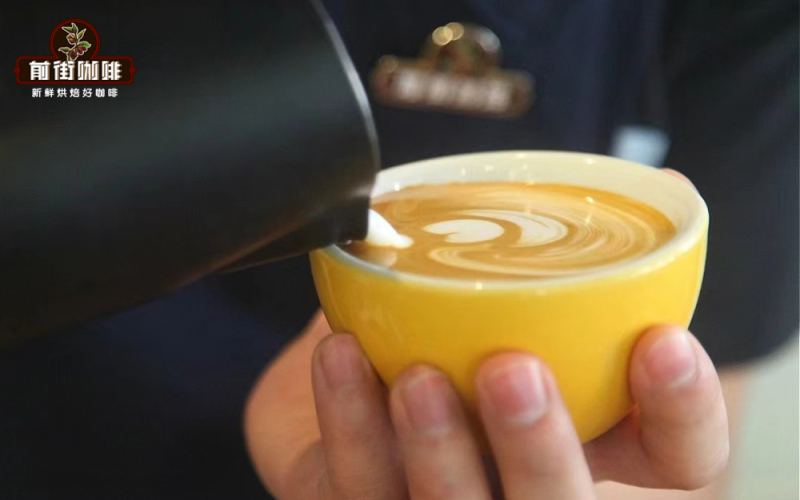
Starbucks Flat White vs. Australian White, Americano, and Cappuccino: A Taste Comparison—Which Is Bitterer and Smoother?
In the world of espresso, adding milk or water to espresso can transform it into a myriad of drinks such as Australian White, cappuccino, latte, and Americano. But are you clear about the differences between Starbucks Flat White and Australian White, Americano, and cappuccino in terms of taste, strength, and milk foam texture? Which cup is more bitter, and which is smoother? This article, from the perspective of Front Street Coffee, sorts out the recipe origins and production details of these coffees, and shares the extraction parameters and milk frothing techniques for Australian White and cappuccino, helping you make a cup of authentic Italian-style coffee at home. [more…]

Flat White Hot vs. Iced: A Comparative Analysis of Its Place Among Cappuccino and Latte in Italian Coffee Culture
In 2015, Starbucks introduced the flat white to the Chinese market and translated it as "Fu Rui Bai." This drink, commonly known as "Ao Bai," had actually been popular in New Zealand and Australia for decades. Like a cappuccino or a latte, it is based on espresso, yet because of differences in foam thickness, the ratio of coffee to milk, and the extraction method, it delivers a completely different mouthfeel. This article, from the perspective of Front Street Coffee, sorts out the differences between hot and iced flat whites, and compares it one by one with cappuccino and latte in terms of preparation details and flavor positioning, to help coffee lovers find the cup that suits them best. [more…]

Starbucks Flat White vs. Australian White Coffee: A Full Analysis of Flat White's Origins, Milk Foam Ratio, and Flavor Characteristics
Flat White is an Italian-style milk coffee that emerged in Australia in the 1970s. After entering Starbucks in China under the name "Fu Rui Bai" in 2015, it quickly became popular, and some people also call it Australian White or Little White Coffee. Its biggest difference from a latte and a cappuccino lies in its thinner milk foam and more pronounced coffee flavor. This article will start from its origins, compare the different approaches to cup size and coffee base in Australia and New Zealand, and explain the blend beans, double ristretto parameters, and milk steaming temperature used by Front Street Coffee when making a Flat White, giving coffee lovers a comprehensive understanding of this rich and velvety classic milk coffee. [more…]

Analysis of Starbucks Flat White Espresso Shots vs. Aussie White Differences, Plus Ristretto Extraction and Calories
Since its launch in 2012, Starbucks Flat White has captured the taste buds of many coffee lovers. It combines the smoothness of a latte with the intensity of a cappuccino, making it an ideal choice in the hearts of milk coffee fans. But do you know how many shots of espresso are actually in a Starbucks Flat White? Is it the same drink as the commonly called Australian White? This article will guide you through the origin of the name Flat White, its cultural roots in New Zealand and Australia, Starbucks' espresso ratio, the extraction principle of Ristretto, and Front Street Coffee's Australian White production method and calorie reference. Whether you want to understand the tricks of ordering or want to recreate it at home, this content can give you clear answers. [more…]

Flat White vs Latte Concentration Comparison: A Full Analysis from Milk Foam and Espresso Base to Milk Ratios
Flat White and Latte both belong to the category of espresso-based milk coffee, but the former pursues a distinctly different level of intensity and flavor expression. From the perspective of Front Street Coffee's production approach, this article systematically reviews the origins of Flat White, the key points for controlling milk foam thickness, the extraction method for a Ristretto espresso base, and the logic of milk ratio adjustment, while combining these with the actual in-store preparation process to gradually present the complete method for making a cup of Flat White. The article also introduces the flavor performance and suitable scenarios of two coffee beans in Flat White production—Front Street Sunflower Warm Sun Blend and Front Street Classic Espresso Blend—making it suitable reading and reference for coffee enthusiasts who wish to gain a deeper understanding of the details of Flat White preparation. [more…]

A Detailed Guide to Making an Aussie White Coffee: Taste Differences from a Latte and Cold vs. Hot Drink Recommendations
With its rich and sweet flavor, the Flat White has won the favor of many enthusiasts at coffee shops like Luckin. Although Front Street Coffee's menu doesn't feature this drink, the baristas will still craft it with care whenever a customer orders it. This article will present Front Street's complete process for making a Flat White, covering equipment preparation, extraction parameters, and milk frothing ratios, while also comparing the differences between a Flat White and a Latte in terms of foam thickness, cup size, and coffee ratio, and explaining why a Flat White is only served hot and why a Dirty can substitute for those wanting a cold drink. [more…]

Starbucks Flat White vs. Australian White Coffee Brewing Guide: Espresso Bean Selection and Extraction Techniques Explained
In 2015, Starbucks introduced the classic Australian Flat White to its menu under the name "Fu Rui Bai," and this coffee quickly became a hit in China. What's the difference between a Flat White and a latte? Why is it only served hot? The key to making an authentic Flat White lies in the pairing of the espresso base with light, thin milk foam. This article will start with the historical origins of the Flat White, then gradually break down Front Street Coffee's extraction parameters and milk frothing techniques, and recommend four espresso blends suitable for making Flat Whites, including the gently styled Warm Sun Blend and three nutty-toned blends, to help you recreate a rich, velvety Flat White at home. [more…]

Latte vs. Mocha vs. Cappuccino: A Comprehensive Comparison from Ratios to Taste
Standing at the coffee shop counter, faced with names like latte, cappuccino, and mocha, have you ever felt confused but been too embarrassed to ask? These three classic milk coffees, all based on espresso, differ in their ratios, mouthfeel, and preparation methods. This article starts from the extraction principles of espresso and breaks down in detail the recipe ratios, milk foam thickness, cup size choices, and final flavor performance of the three, helping you order precisely according to your personal preferences. At the same time, Front Street Coffee will share a variety of blend bean choices and usage suggestions suitable for making espresso-based milk coffees, so you can easily recreate a professional-quality coffee shop flavor at home. [more…]

Espresso Beans vs. Americano Beans: A Guide to Choosing and Medium-Dark Roast Recommendations
Many friends who are just getting into coffee find the relationship between espresso and Americano confusing. In fact, the two are not parallel categories; rather, one contains the other. Americano is simply one of the many drinks built on an espresso base, and latte, cappuccino, flat white, Dirty, and others also belong to the espresso family. This article starts with bean selection—brand and freshness—then analyzes how roast level affects Americano flavor, and offers blended bean recommendations suitable for making Americano, including several classic espresso blends from Front Street Coffee, along with practical ratio references for both hot and iced Americanos. [more…]

An Analysis of the Flavor and Mouthfeel Characteristics of Flat White: Core Differences from Latte and Key Preparation Points
Flat White and latte are both popular espresso-based milk coffees, but they differ clearly in milk foam thickness, milk ratio, and overall mouthfeel. Flat White uses a double ristretto as its base, with milk foam as thin as 0.3–0.5 cm, pursuing a rich, smooth, coffee-forward flavor. This article sorts out Flat White's origin background, preparation method, and comparison with latte and cappuccino, and also includes Front Street store brewing parameters and recommendations for five espresso blend beans, as a reference for coffee lovers to replicate at home. [more…]

An In-Depth Analysis of the Core Differences Between Flat White and Latte: A Comprehensive Comparison from Milk Foam Thickness to Drinking Method
What exactly are the differences between a Flat White and a latte? Many people assume it is merely a matter of milk foam thickness, but in reality the two differ systematically in cup size, espresso dosage, milk foam texture, and serving temperature. This article begins with the controversy over the origins of the Flat White, sorts out the specific differences in preparation parameters between it and a latte, explains why a Flat White is served only hot, and offers equipment selection and operational advice for home brewing scenarios. At the same time, the article also compiles several Front Street Coffee espresso blends suitable for making a Flat White, including the Specialty Blend, Commercial Blend, and Dark Cocoa Blend, to help readers choose the right base beans and make a rich, full-bodied Flat White at home. [more…]

Hot Coconut Milk Latte vs. Iced Drink Flavor Differences Explained: Key Techniques for Frothing Thick Coconut Milk
Iced coconut milk lattes are sweet and smooth, but when switched to a hot drink they easily become cloying and sour, with the flavors separating—where exactly does the problem lie? Starting from the compositional characteristics of thick coconut milk, this article analyzes the principles behind fat separation, protein denaturation, and acidification reactions when it is heated, and offers a practical solution of adding milk to adjust the blend. At the same time, drawing on in-store testing, Front Street shares the suitable ratios of espresso, thick coconut milk, and fresh milk, as well as operational details such as aeration time and temperature control when steaming milk foam, to help you make a cup of hot coconut milk latte at home with harmonious flavors that is suitable for latte art. [more…]

A Guide to Pairing Latte with Espresso Beans: Iced vs. Hot Preparation Differences, Extraction Parameters, and Milk-to-Coffee Ratios Explained
Latte is the espresso drink with the highest proportion of milk, available in both iced and hot versions; the two share the same recipe but differ in operational details. From the perspective of Front Street, this article traces the historical origins of latte, explains what roast level of espresso beans should be used to make latte, clarifies why lightly roasted single-origin beans are unsuitable for espresso machine extraction, and recommends several espresso blends such as Front Street. Strawberry Candy Espresso. It also details the extraction parameters for espresso, the frothing techniques and temperature control for hot latte milk foam, the ingredient ratios for iced latte, and Front Street's recommended coffee-to-milk ratio of 1:6.5. Whether you prefer iced or hot, you'll find actionable reference solutions here. [more…]

How Much Espresso Is in a Latte? Cappuccino vs. Latte Flavor Differences and Front Street Coffee Espresso Bean Recommendations
Latte and cappuccino are the two most common espresso milk drinks. Both are made from espresso, milk, and milk foam, but they differ noticeably in ratio, foam thickness, and mouthfeel. How much espresso actually goes into a latte? Roughly how much caffeine does it contain? And how should the coffee-to-milk ratio be managed during preparation? This article addresses these questions, while also explaining how to choose espresso beans, extraction parameters, and the key temperature points for steaming milk. It also introduces several Front Street Coffee espresso blends suitable for making lattes, helping coffee enthusiasts create a full-flavored milk coffee at home. [more…]

Pour-Over vs. Espresso: A Flavor and Mouthfeel Comparison, Plus a Front Street Coffee Bean Buying Guide
Which tastes better: pour-over coffee or coffee made with an espresso machine? It really depends on personal taste preferences and the drinking occasion. Espresso pursues fast output, with a balanced and intense flavor, often dominated by caramel notes, and is easier to drink when paired with milk; while pour-over coffee focuses on the true character of the origin, with no sugar or milk added, showcasing the unique flavor profile of different producing regions. This article will compare the two from the perspectives of positioning, flavor expression, and suitable audiences, and for the two types of needs—espresso and pour-over—respectively recommend a number of blends and single-origin coffee beans under Front Street Coffee, to help coffee lovers make a suitable choice based on their own preferences. [more…]
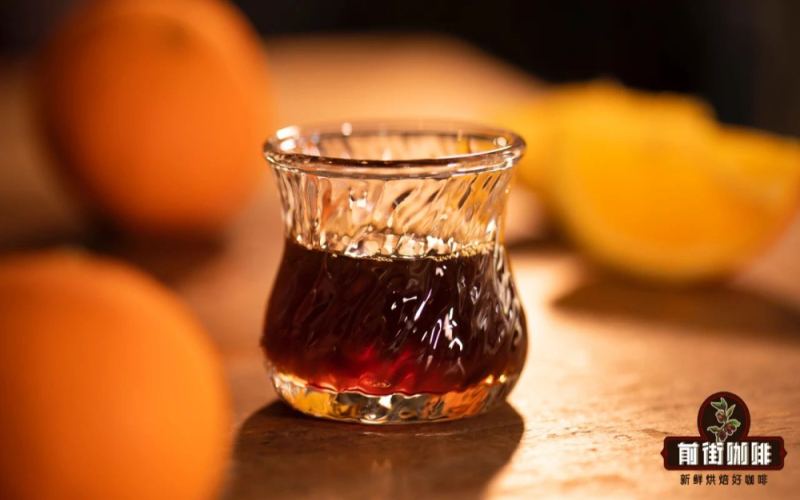
Yirgacheffe G1 vs G2 Buying Guide: Complete Brewing Advice from Pour-Over to Espresso
Yirgacheffe is where many coffee lovers take their first step into the world of specialty coffee, known for its signature white floral aromas and bright citrus notes. With different grades like G1 and G2 on the market, as well as washed and natural processing methods, how do you choose the beans that suit you? This article starts with Yirgacheffe's origin background, the meaning of its grading, roasting approaches, and value-for-money advantages, then breaks down four Yirgacheffes worth trying—entry-level Washed G2, the step-up Natural Red Cherry G1 and Washed Gordin G1, and the Natural Red Cherry SOE crafted specifically for espresso. Whether you brew with pour-over, moka pot, or espresso machine, you'll find matching brewing ideas and parameter references to easily understand this classic region. [more…]